

Summer in northern Utah invites families to get outside. Whether you’re hiking nearby trails, camping in the Uintas, boating at Pineview Reservoir, spending a weekend at Antelope Island, or taking a road trip through the Wasatch Mountains, there’s no shortage of places to explore with your pet.
For dogs especially, these outings provide valuable exercise, mental stimulation, and quality time with the people they love most. But every new adventure also introduces new risks. Hot weather, rough terrain, wildlife, dehydration, and unfamiliar environments can quickly turn an enjoyable day into an unexpected trip to the veterinarian.
At Clinton Veterinary Hospital, we believe the best adventures begin with preparation. By planning ahead and recognizing potential hazards before they become emergencies, you can help your pet stay healthy all summer long.
Before You Pack the Car, Consider Your Pet’s Needs
Every pet experiences travel differently.
Some dogs are happiest anywhere their family goes, while others become anxious during long drives or struggle with unfamiliar surroundings. Senior pets may tire quickly on hiking trails, while young puppies often have endless enthusiasm but limited endurance.
Before deciding to bring your pet along, ask yourself:
- Is this activity appropriate for my pet’s age and fitness level?
- Will there be shade and drinking water?
- Can my pet safely participate?
- Will they spend long periods alone?
- Do I have a backup plan if temperatures become too hot?
Sometimes the kindest decision is allowing your pet to stay home with a trusted caregiver if the trip isn’t suited to them.
A Wellness Visit Can Prevent Vacation Problems
One of the easiest ways to prepare for summer travel is scheduling a wellness examination before your trip.
Even healthy pets benefit from a quick checkup before spending more time outdoors.
During your appointment, your veterinarian can:
- Ensure vaccinations are current.
- Refill medications.
- Review flea, tick, and heartworm prevention.
- Discuss travel anxiety or motion sickness.
- Evaluate any health concerns that could affect outdoor activity.
- Answer questions about your destination.
Having your pet evaluated before vacation offers peace of mind and helps identify small concerns before they become larger problems.
Safe Travel Begins the Moment You Leave Home
Many travel-related injuries happen inside the vehicle.
Pets should never ride unrestrained or sit on a driver’s lap.
Instead:
- Dogs should travel in crash-tested harnesses or secured travel crates.
- Cats should remain inside sturdy carriers that are properly fastened with the seatbelt.
Proper restraint protects your pet during sudden stops and helps everyone travel more safely.
Take Plenty of Breaks
Road trips are exciting, but they’re also tiring.
Plan regular stops every few hours so your dog can:
- Stretch their legs.
- Drink fresh water.
- Take a bathroom break.
- Relax before getting back in the car.
Even if your pet seems eager to keep going, these short breaks help prevent fatigue and dehydration during longer drives.
Always keep your pet leashed whenever exiting the vehicle, even at quiet rest areas.
Water Is Your Most Important Travel Supply
No matter where your summer plans take you, hydration should remain a priority.
Bring more water than you think you’ll need, especially if you’re hiking or spending time away from developed areas.
Avoid allowing pets to drink from:
- Ponds
- Irrigation canals
- Streams
- Standing puddles
These water sources may contain bacteria, parasites, harmful algae, or agricultural contaminants that can lead to illness.
Offer fresh water frequently throughout the day, even if your pet doesn’t appear thirsty.
Don’t Underestimate Utah’s Summer Heat
While northern Utah often enjoys cooler mornings, temperatures can rise quickly during the afternoon.
Heat-related illness doesn’t only happen in deserts. Dogs can overheat while hiking, walking, or even relaxing outdoors if they aren’t given opportunities to cool down.
Help protect your pet by:
- Walking during the morning or evening.
- Taking frequent breaks.
- Resting in shaded areas.
- Avoiding strenuous exercise during peak heat.
- Watching closely for signs of fatigue.
Hot pavement is another common source of injury. Asphalt and concrete absorb heat rapidly and can burn sensitive paw pads.
If the ground feels too hot for your hand, it’s too hot for your pet’s feet.
Explore Nature Responsibly
Utah offers incredible outdoor recreation, but natural areas come with hazards that deserve attention.
While hiking or camping, stay alert for:
- Foxtails
- Sharp rocks
- Thorny vegetation
- Rattlesnakes
- Fast-moving streams
- Wildlife
- Burrs and stickers
After every outing, inspect your pet’s paws, ears, eyes, and coat.
Removing debris early can prevent painful infections and more serious injuries.
Camping Safety Matters Too
Campgrounds present unique challenges for curious pets.
Keep your dog leashed around neighboring campsites, and never leave food unattended.
Items commonly found around campsites that can become dangerous include:
- Fish hooks
- Campfire coals
- Cooking utensils
- Human food
- Trash
- Rope and cords
At night, wildlife often becomes more active, making supervision even more important.
Summer Foods Aren’t Always Pet Friendly
Picnics and backyard barbecues are part of the season, but many favorite foods should never be shared with pets.
Avoid feeding:
- Cooked bones
- Corn cobs
- Chocolate
- Grapes
- Raisins
- Onions
- Garlic
- Alcohol
- Foods containing xylitol
- Fatty meats
Keeping your pet on their regular diet helps prevent digestive upset while reducing the risk of accidental poisoning.
Learn the Warning Signs of Heatstroke
Heatstroke is one of the most serious summer emergencies veterinarians treat.
Knowing what to watch for can save valuable time.
Signs include:
- Excessive panting
- Thick drooling
- Bright red gums
- Vomiting
- Weakness
- Stumbling
- Confusion
- Collapse
If your pet shows these symptoms, immediately move them into a cool area, begin cooling with cool water, and seek veterinary care without delay.
Prompt treatment significantly improves the chances of recovery.
Don’t Forget Identification
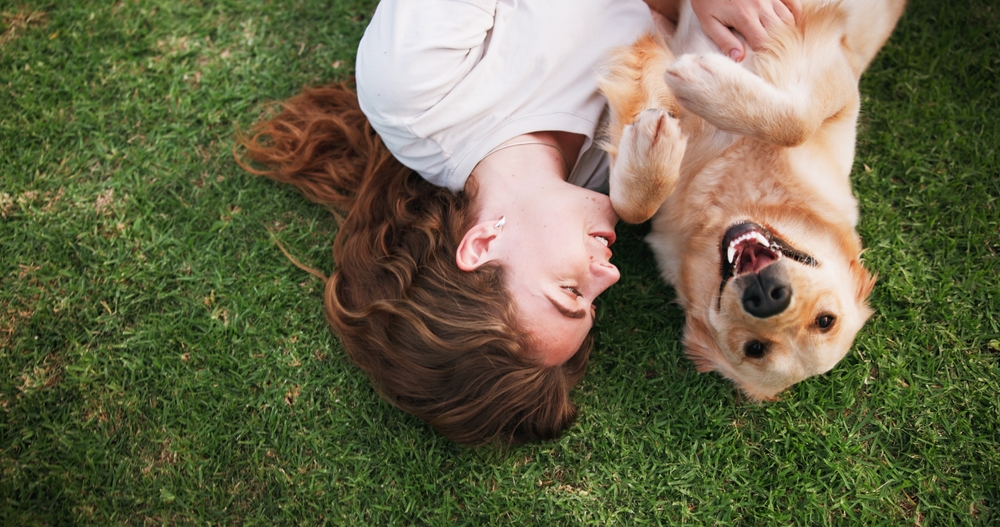
Travel naturally increases the risk of pets becoming separated from their families.
Before leaving home:
- Confirm your pet’s microchip information is current.
- Replace worn ID tags.
- Verify your phone number is correct.
- Keep a recent photo of your pet on your phone.
These simple steps greatly improve the likelihood of a happy reunion if your pet becomes lost.
The Best Summer Memories Are Safe Ones
Whether your plans involve a quick weekend getaway or a cross-country road trip, thoughtful preparation allows your pet to enjoy every adventure alongside you.
A little planning today can help prevent injuries, illness, and unexpected veterinary emergencies tomorrow.
At Clinton Veterinary Hospital, we’re proud to care for the dogs and cats of Clinton and surrounding northern Utah communities through every season. Before your next summer adventure, schedule a wellness appointment with our experienced veterinary team. We’ll help make sure your pet is healthy, protected, and ready to explore everything summer has to offer.